

Across the United States, youth soccer player retention has quietly become one of the most significant structural challenges facing competitive academies.
Directors describe it in different ways:
- Player churn
- Club hopping
- Parent pressure
- Roster instability
But beneath the language is a consistent issue.
Players are not leaving because development is poor.
They are leaving because development is difficult for families to see.
The Growing Problem of Player Churn in Youth Soccer
In competitive pay-to-play environments, families make meaningful financial investments each season.
With that investment comes expectation.
When progress feels unclear, parents default to visible indicators:
-
Match results
-
League standings
-
Team selection
-
Tournament exposure
When winning dips, questions rise.
When questions go unanswered, doubt increases.
Doubt leads to movement.
This is the cycle behind player churn in youth soccer.
Why Retention Is Especially Challenging in Pay-to-Play Models
In the US, most competitive academies operate under a pay-to-play structure.
Families are not only investing time — they are investing financially.
They want to see:
-
Measurable progress
-
Clear development pathways
-
Structured feedback
-
Evidence of improvement
If progress is not documented and visible, perception fills the gap.
This creates what we call the Development Visibility Gap.
The Development Visibility Gap
Most well-run academies are developing players consistently.
Technical ability improves.
Speed and agility increase.
Decision-making sharpens.
But much of that development lives inside:
-
Training sessions
-
Internal evaluations
-
Verbal feedback conversations
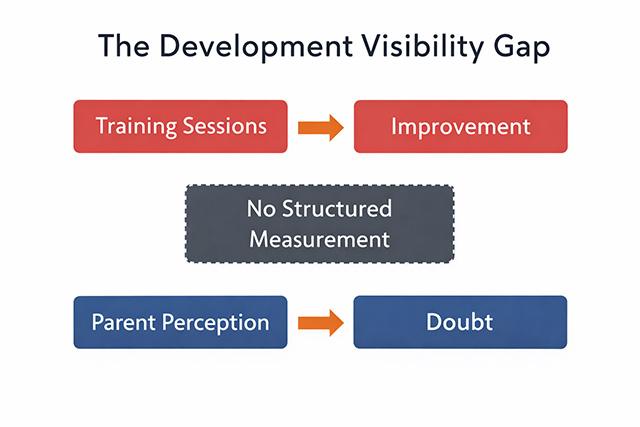
Without structured measurement, improvement can feel subjective.
When development is not documented and tracked over time, perception replaces evidence.
And perception is unstable.
Retention becomes fragile.
The Financial Impact of Player Churn
Retention pressure is not only emotional — it is economic.
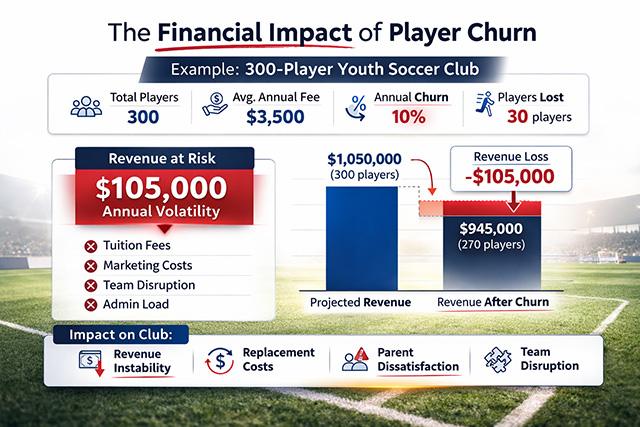
Consider a typical competitive club:
300 players
$3,500 annual fee
10% annual churn
That represents 30 players leaving per year.
Equivalent to $105,000 in recurring revenue volatility.
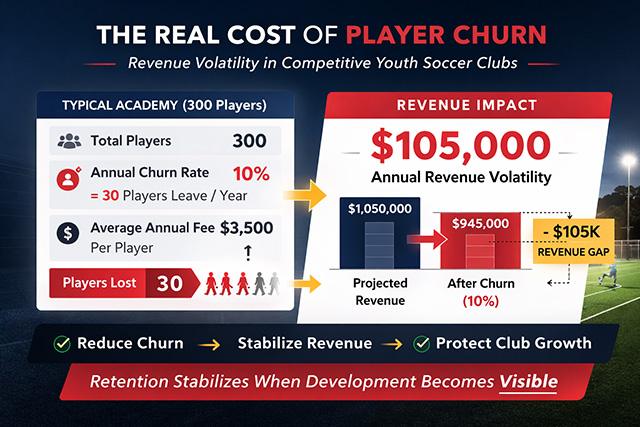
Before accounting for:
-
Trial costs
-
Marketing spend
-
Administrative workload
-
Staff time
-
Disruption to team continuity
Even small improvements in youth soccer player retention can significantly stabilize long-term revenue.
Retention is structural stability.
Why Most Soccer Club Retention Strategies Fail
When facing churn, many clubs respond by:
-
Increasing marketing efforts
-
Promoting pathways more aggressively
-
Entering additional tournaments
-
Prioritizing short-term wins
While these actions may offer temporary reassurance, they do not address the underlying issue.
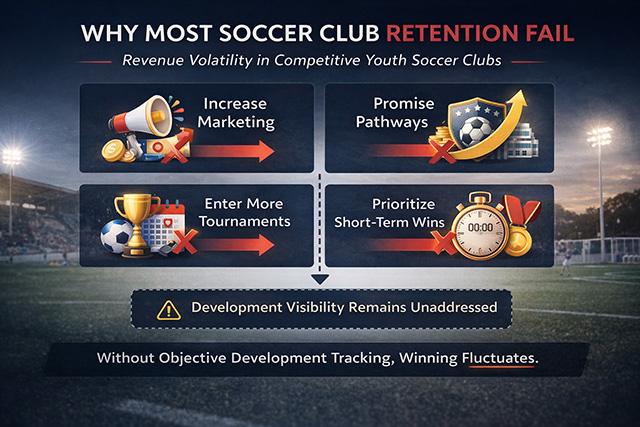
Without objective development tracking, winning remains the primary visible metric.
And winning fluctuates.
Strong soccer club retention strategies must address development visibility — not just competitive results.
What Actually Reduces Player Churn in Youth Soccer
To sustainably reduce player churn, development must become:
-
Objective
-
Structured
-
Visible over time
When families can clearly see:
-
Technical improvements
-
Speed and agility gains
-
Ball mastery progression
-
Structured reference benchmarks
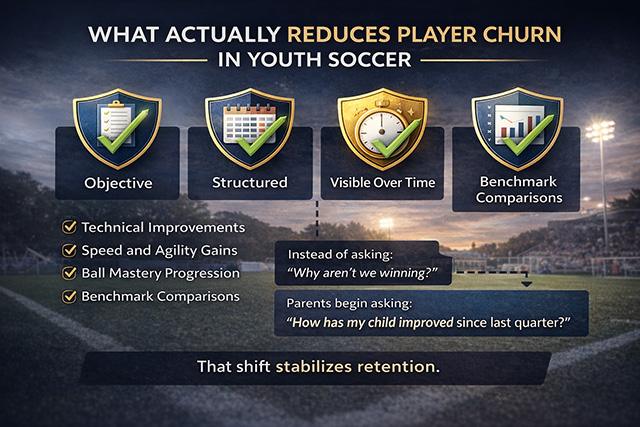
The conversation shifts.
Instead of asking:
“Why aren’t we winning?”
Parents begin asking:
“How has my child improved since last quarter?”
That shift stabilizes retention.
The Academy Retention System Approach
To address youth soccer player retention challenges, iSportScouting developed the Academy Retention System.
It is built on three structured components:
1. Objective Benchmarking
Standardized skills assessments that measure player development consistently throughout the season.
2. Parent Dashboard Visibility
Secure mobile-access dashboards that allow families to track measurable progress.
3. Structured Development Conversations
Coaches anchor discussions in objective data rather than perception alone.
The club retains full control.
The system supports coaching.
It does not replace it.
How Structured Development Improves Parent Communication in Youth Soccer
One of the biggest drivers of player churn is breakdown in communication.
When parents cannot see progress, conversations become reactive.
When development is visible:
-
Parent communication becomes calmer
-
Promotion decisions are supported by data
-
Long-term development plans are easier to defend
-
Coaches feel less pressure to prioritize short-term wins
Improved parent communication in youth soccer directly supports retention stability.
Making Development Visible to Families
Progress only builds trust when it can be clearly seen.
Most academies are developing players every week. Technical work improves. Physical performance evolves. Game intelligence sharpens.
But unless that progress is structured and documented, families may not fully recognize it.
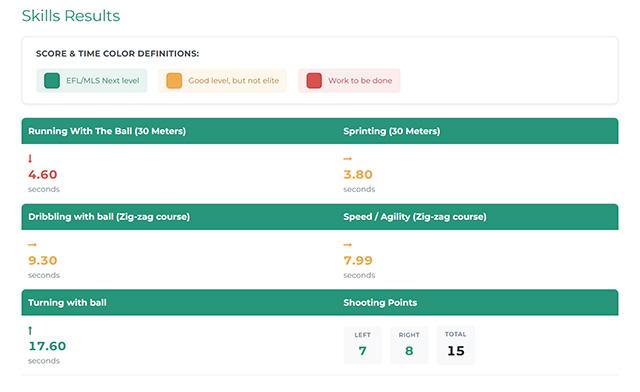
When development is made visible through structured measurement and clear reporting:
-
Parents understand how improvement is being assessed
-
Progress can be tracked across multiple points in the season
-
Conversations move from opinion to evidence
-
Expectations align with measurable outcomes
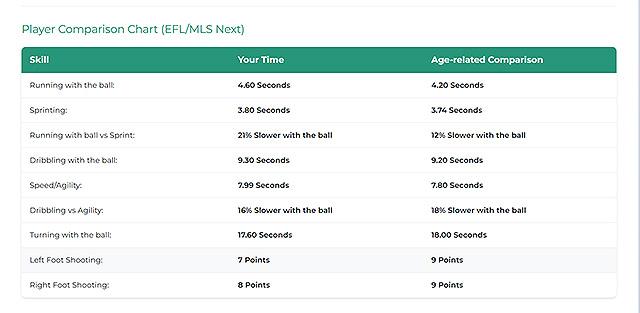
Instead of relying solely on match results, families gain access to objective development indicators — including benchmarking data, improvement trends, and skill progression over time.
This does not replace coaching feedback.
It strengthens it.
Visible development builds confidence.
Confidence stabilizes retention.
And in pay-to-play environments, that stability protects both the player pathway and the club’s long-term structure.
Supporting Pathways Without Overpromising
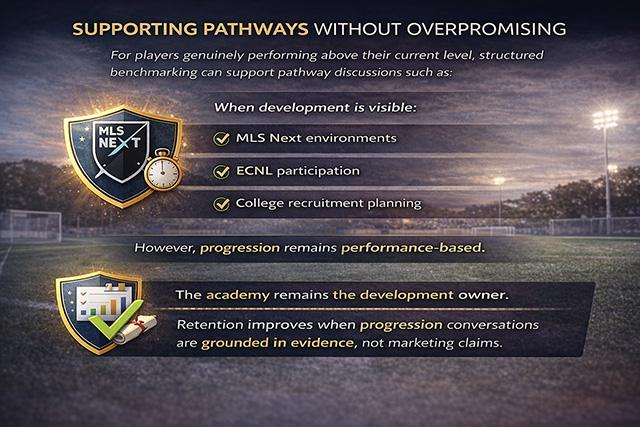
For players genuinely performing above their current level, structured benchmarking can support pathway discussions such as:
-
MLS Next environments
-
ECNL participation
-
College recruitment planning
However, progression remains performance-based.
The academy remains the development owner.
Retention improves when progression conversations are grounded in evidence — not marketing claims.
Final Perspective: Retention Follows Visibility
Player churn in youth soccer is often treated as a marketing problem.
In reality, it is frequently a visibility problem.
When development becomes structured and measurable, staying becomes rational.
When staying is rational, youth soccer player retention stabilizes.
For competitive pay-to-play academies, that stability matters.
Academy Retention System
If reducing player churn and improving development visibility are priorities inside your club, you can learn more about how the Academy Retention System works here:

Anadi James Taylor
CEO - iSportsAnalysis Ltd
Anadi Taylor is the founder of iSportsAnalysis and iSportScouting, and the architect of the Academy Retention System.
He works with competitive youth soccer academies to address player churn by introducing structured development visibility - helping clubs make progress measurable, strengthen parent communication, and stabilize long-term revenue in pay-to-play environments.
His platforms have supported over 120 universities, schools, and clubs globally through performance analysis and structured benchmarking systems.
Learn more at https://isportscouting.com/for-academies.html